logo
Bom preço.  on-line

Detalhes dos produtos

Created with Pixso. Para casa Created with Pixso. produtos Created with Pixso.
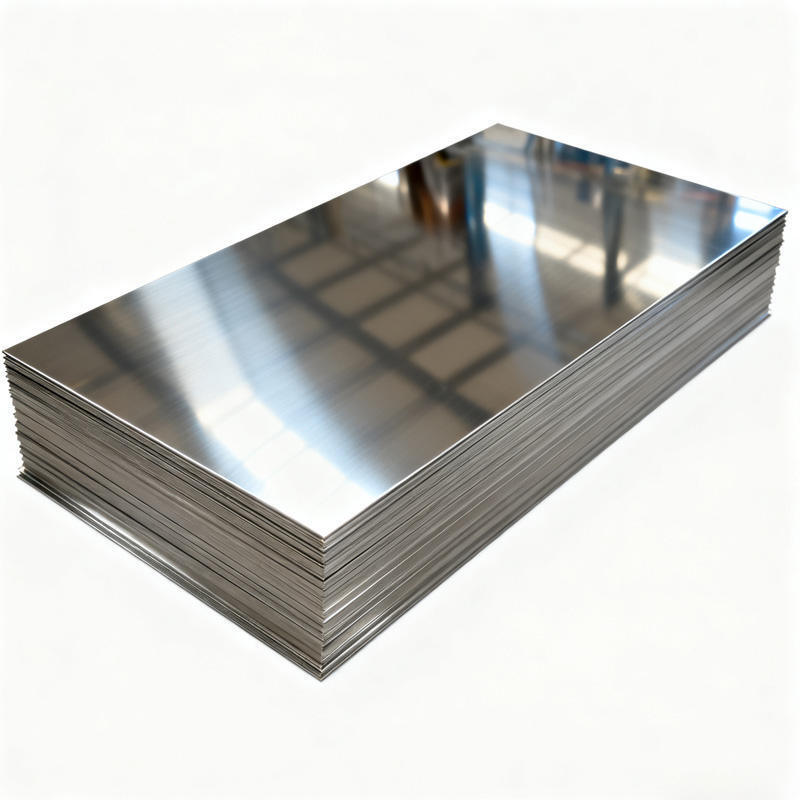
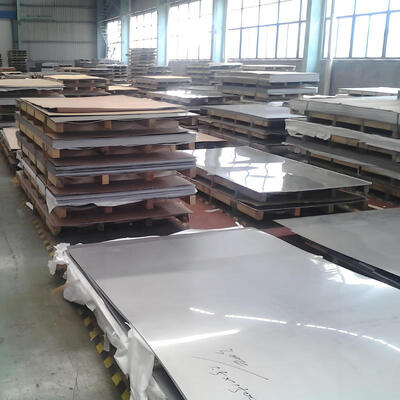
Placa 304 de aço inoxidável
Created with Pixso. ASTM 304 304L 316 316L Stainless Steel Coil with 2B Surface for Industrial Food Processing

ASTM 304 304L 316 316L Stainless Steel Coil with 2B Surface for Industrial Food Processing

Nome da marca: Sylaith
Número do modelo: 200 séries/300 séries/400series
MOQ: 1 tonelada
preço: Negociável
Tempo de entrega: 7 a 15 dias úteis, dependendo da quantidade, dimensão e requisitos de processamento
Condições de pagamento: 30% T/T com antecedência 70% do equilíbrio antes de carregar
Informações pormenorizadas
Lugar de origem:
China
Certificação:
ISO9001
Nome do produto:
BOBINA DE AÇO INOXIDÁVEL
Padrão:
ASTM/AISI/JIS/DIN/EN/GB
Tipo:
Bobina / Aço
Acabamento de superfície:
2b
Técnica:
Cold Rollled / Hot Rollled
Serviço de processamento:
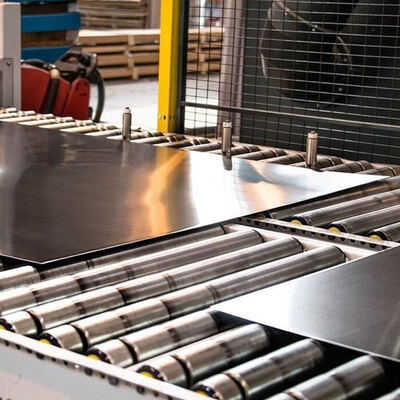
Dobra, soldagem, desbobinamento, puncionamento, corte
Termos comerciais:
FOB/EXW/CIF/CFR
Tipo de transporte:
Contêineres, granéis e comboios
Detalhes da embalagem:
Pacote padrão em condições de navegar ou conforme a necessidade dos clientes
Habilidade da fonte:
50000 toneladas por ano
Descrição do produto
ASTM 304 304L 316 316L Stainless Steel Coil with 2B Surface for Industrial Food Processing Applications
Product Overview

Our Stainless Steel Coil is manufactured from premium 200, 300, and 400 series stainless steels, including 304, 304L, 316, and 316L, to meet diverse industrial and commercial requirements. Produced according to ASTM standards, the coils are available in both cold rolled and hot rolled conditions with multiple surface finishes such as 2B, BA, No.1, No.4, 8K, HL, 2D, and 1D.

The material combines excellent corrosion resistance, good formability, and reliable mechanical performance, making it suitable for fabrication, food processing equipment, architectural decoration, chemical equipment, and general industrial manufacturing. Value-added processing services including cutting, bending, welding, punching, and decoiling are also available.


Application Challenges

Many industrial applications operate in environments where ordinary carbon steel is susceptible to oxidation, staining, or corrosion caused by moisture, chemicals, and temperature fluctuations. In addition, manufacturers often require materials that maintain dimensional stability during fabrication while providing an attractive surface finish.

Selecting an appropriate stainless steel grade is essential for balancing corrosion resistance, fabrication performance, and project cost.


Our Solution

Our stainless steel coils provide a practical solution for manufacturers seeking consistent material quality and flexible processing capabilities.

Key benefits include:

  • Available in multiple grades including 304, 304L, 316, and 316L
  • ASTM-compliant production for international projects
  • Multiple surface finishes to suit decorative and industrial applications
  • Suitable for laser cutting, welding, bending, stamping, and roll forming
  • Good corrosion resistance for humid and mildly corrosive environments
  • Custom dimensions available for different manufacturing requirements

Technical Specifications
Parameter Specification
Product Stainless Steel Coil
Material Series 200 Series / 300 Series / 400 Series
Common Grades 201, 304, 304L, 316, 316L, 310S, 321, 430, 410, etc.
Standard ASTM
Manufacturing Process Cold Rolled / Hot Rolled
Surface Finish 2B, BA, No.1, No.3, No.4, 8K, HL, 2D, 1D
Tolerance ±1%
Processing Service Cutting, Bending, Welding, Punching, Decoiling
Shape Coil, Strip, Sheet, Plate

Applications

Stainless steel coils are widely used in:

  • Food processing equipment
  • Commercial kitchen equipment
  • Chemical processing equipment
  • Pharmaceutical manufacturing
  • Architectural decoration
  • Elevator panels
  • Industrial tanks and vessels
  • HVAC systems
  • Automotive components
  • Household appliances
  • Precision fabrication
  • General engineering projects

How It Works

Stainless steel derives its corrosion resistance from chromium contained within the alloy. When exposed to oxygen, the chromium reacts naturally to form a thin passive oxide layer on the surface. This invisible film continuously protects the underlying metal from corrosion and can regenerate automatically if the surface is lightly scratched.

Different grades provide different performance characteristics:

  • 304 offers excellent general corrosion resistance and good formability.
  • 304L features lower carbon content, making it suitable for welded structures.
  • 316 contains molybdenum for improved resistance to chlorides and chemical environments.
  • 316L combines enhanced corrosion resistance with improved weldability for demanding industrial applications.

Selection Guide

Consider the following factors when selecting a stainless steel coil:

  • Material Grade: Choose 304 for general applications and 316/316L for marine or chemical environments.
  • Surface Finish: 2B for industrial fabrication, BA or 8K for decorative projects, HL for architectural applications.
  • Manufacturing Process: Cold rolled for tighter tolerances and smoother surfaces; hot rolled for thicker industrial applications.
  • Processing Requirements: Confirm whether cutting, bending, welding, or punching services are required.
  • Application Environment: Evaluate exposure to moisture, chemicals, salt spray, or high temperatures before selecting the material grade.
  • Certification Requirements: Ensure compliance with ASTM and any project-specific certification requirements.

Frequently Asked Questions
Q1: What is the difference between 304 and 316 stainless steel?

316 stainless steel contains molybdenum, providing improved resistance to chlorides and chemical corrosion compared with 304. It is commonly selected for marine, coastal, and chemical processing environments.

Q2: Why choose 304L or 316L instead of standard 304 or 316?

The "L" grades have lower carbon content, which helps reduce the risk of carbide precipitation during welding and improves corrosion resistance in welded areas.

Q3: Which surface finish is best for industrial equipment?

2B finish is commonly used for industrial fabrication because it offers a smooth surface suitable for machining, welding, and further processing.

Q4: Can the stainless steel coil be customized?

Yes. Coil width, thickness, length, surface finish, and processing services such as cutting, bending, punching, and welding can all be customized according to project requirements.

Q5: What industries commonly use stainless steel coils?

Stainless steel coils are widely used in food processing, pharmaceutical manufacturing, chemical processing, construction, transportation, household appliances, architectural decoration, and precision engineering industries.

Bom preço.  on-line

Detalhes dos produtos

Created with Pixso. Para casa Created with Pixso. produtos Created with Pixso.
Placa 304 de aço inoxidável
Created with Pixso. ASTM 304 304L 316 316L Stainless Steel Coil with 2B Surface for Industrial Food Processing

ASTM 304 304L 316 316L Stainless Steel Coil with 2B Surface for Industrial Food Processing

Nome da marca: Sylaith
Número do modelo: 200 séries/300 séries/400series
MOQ: 1 tonelada
preço: Negociável
Detalhes da embalagem: Pacote padrão em condições de navegar ou conforme a necessidade dos clientes
Condições de pagamento: 30% T/T com antecedência 70% do equilíbrio antes de carregar
Informações pormenorizadas
Lugar de origem:
China
Marca:
Sylaith
Certificação:
ISO9001
Número do modelo:
200 séries/300 séries/400series
Nome do produto:
BOBINA DE AÇO INOXIDÁVEL
Padrão:
ASTM/AISI/JIS/DIN/EN/GB
Tipo:
Bobina / Aço
Acabamento de superfície:
2b
Técnica:
Cold Rollled / Hot Rollled
Serviço de processamento:
Dobra, soldagem, desbobinamento, puncionamento, corte
Termos comerciais:
FOB/EXW/CIF/CFR
Tipo de transporte:
Contêineres, granéis e comboios
Quantidade de ordem mínima:
1 tonelada
Preço:
Negociável
Detalhes da embalagem:
Pacote padrão em condições de navegar ou conforme a necessidade dos clientes
Tempo de entrega:
7 a 15 dias úteis, dependendo da quantidade, dimensão e requisitos de processamento
Termos de pagamento:
30% T/T com antecedência 70% do equilíbrio antes de carregar
Habilidade da fonte:
50000 toneladas por ano
Descrição do produto
ASTM 304 304L 316 316L Stainless Steel Coil with 2B Surface for Industrial Food Processing Applications
Product Overview

Our Stainless Steel Coil is manufactured from premium 200, 300, and 400 series stainless steels, including 304, 304L, 316, and 316L, to meet diverse industrial and commercial requirements. Produced according to ASTM standards, the coils are available in both cold rolled and hot rolled conditions with multiple surface finishes such as 2B, BA, No.1, No.4, 8K, HL, 2D, and 1D.

The material combines excellent corrosion resistance, good formability, and reliable mechanical performance, making it suitable for fabrication, food processing equipment, architectural decoration, chemical equipment, and general industrial manufacturing. Value-added processing services including cutting, bending, welding, punching, and decoiling are also available.


Application Challenges

Many industrial applications operate in environments where ordinary carbon steel is susceptible to oxidation, staining, or corrosion caused by moisture, chemicals, and temperature fluctuations. In addition, manufacturers often require materials that maintain dimensional stability during fabrication while providing an attractive surface finish.

Selecting an appropriate stainless steel grade is essential for balancing corrosion resistance, fabrication performance, and project cost.


Our Solution

Our stainless steel coils provide a practical solution for manufacturers seeking consistent material quality and flexible processing capabilities.

Key benefits include:

  • Available in multiple grades including 304, 304L, 316, and 316L
  • ASTM-compliant production for international projects
  • Multiple surface finishes to suit decorative and industrial applications
  • Suitable for laser cutting, welding, bending, stamping, and roll forming
  • Good corrosion resistance for humid and mildly corrosive environments
  • Custom dimensions available for different manufacturing requirements

Technical Specifications
Parameter Specification
Product Stainless Steel Coil
Material Series 200 Series / 300 Series / 400 Series
Common Grades 201, 304, 304L, 316, 316L, 310S, 321, 430, 410, etc.
Standard ASTM
Manufacturing Process Cold Rolled / Hot Rolled
Surface Finish 2B, BA, No.1, No.3, No.4, 8K, HL, 2D, 1D
Tolerance ±1%
Processing Service Cutting, Bending, Welding, Punching, Decoiling
Shape Coil, Strip, Sheet, Plate

Applications

Stainless steel coils are widely used in:

  • Food processing equipment
  • Commercial kitchen equipment
  • Chemical processing equipment
  • Pharmaceutical manufacturing
  • Architectural decoration
  • Elevator panels
  • Industrial tanks and vessels
  • HVAC systems
  • Automotive components
  • Household appliances
  • Precision fabrication
  • General engineering projects

How It Works

Stainless steel derives its corrosion resistance from chromium contained within the alloy. When exposed to oxygen, the chromium reacts naturally to form a thin passive oxide layer on the surface. This invisible film continuously protects the underlying metal from corrosion and can regenerate automatically if the surface is lightly scratched.

Different grades provide different performance characteristics:

  • 304 offers excellent general corrosion resistance and good formability.
  • 304L features lower carbon content, making it suitable for welded structures.
  • 316 contains molybdenum for improved resistance to chlorides and chemical environments.
  • 316L combines enhanced corrosion resistance with improved weldability for demanding industrial applications.

Selection Guide

Consider the following factors when selecting a stainless steel coil:

  • Material Grade: Choose 304 for general applications and 316/316L for marine or chemical environments.
  • Surface Finish: 2B for industrial fabrication, BA or 8K for decorative projects, HL for architectural applications.
  • Manufacturing Process: Cold rolled for tighter tolerances and smoother surfaces; hot rolled for thicker industrial applications.
  • Processing Requirements: Confirm whether cutting, bending, welding, or punching services are required.
  • Application Environment: Evaluate exposure to moisture, chemicals, salt spray, or high temperatures before selecting the material grade.
  • Certification Requirements: Ensure compliance with ASTM and any project-specific certification requirements.

Frequently Asked Questions
Q1: What is the difference between 304 and 316 stainless steel?

316 stainless steel contains molybdenum, providing improved resistance to chlorides and chemical corrosion compared with 304. It is commonly selected for marine, coastal, and chemical processing environments.

Q2: Why choose 304L or 316L instead of standard 304 or 316?

The "L" grades have lower carbon content, which helps reduce the risk of carbide precipitation during welding and improves corrosion resistance in welded areas.

Q3: Which surface finish is best for industrial equipment?

2B finish is commonly used for industrial fabrication because it offers a smooth surface suitable for machining, welding, and further processing.

Q4: Can the stainless steel coil be customized?

Yes. Coil width, thickness, length, surface finish, and processing services such as cutting, bending, punching, and welding can all be customized according to project requirements.

Q5: What industries commonly use stainless steel coils?

Stainless steel coils are widely used in food processing, pharmaceutical manufacturing, chemical processing, construction, transportation, household appliances, architectural decoration, and precision engineering industries.